
Cold Heading Material Engineer Classroom · Chapter 10
During the sample submission, forming went smoothly, dimensions were appropriate, and the surface finish was excellent. Everyone breathed a sigh of relief: "This material is acceptable!"
However, once actual production began, things weren't so straightforward: one coil ran well, but the next required re-evaluation; everything seemed fine at startup, yet after continuous production for a while, issues like burring, cracking, or dimensional variations started to appear.
Naturally, customers wondered: "The samples passed all tests—why are there still problems in mass production?"
Samples don't lie, but they can only answer questions within a certain scope.
It's like preparing a single dish that tastes good; however, producing hundreds of portions daily with consistent quality requires more than just a one-time cooking skill.
The same applies to materials. Passing a sample test indicates that, under the current material condition and processing parameters, the solution works. What mass production must continue to address is: Can these successful conditions be maintained going forward?
I. The sample has passed, but how much of the material has it actually tested?
The trial run uses only a small quantity of material over a limited period. It helps us determine whether the material can achieve the desired deformation for this product and whether its supplied state is preliminarily suitable.
Full-scale production, however, involves using entire coils, connecting multiple coils, and ensuring subsequent batch deliveries.
This is similar to an exam: getting one question right is valuable, but it doesn't necessarily reflect your overall performance on the entire paper.
Therefore, after passing the sample test, the next step is to verify whether different locations within the same coil, between different coils, and in subsequent batches can consistently meet the confirmed requirements.
This isn't about dismissing the sample results; rather, it's about aligning the verification scope with the actual usage range.
Samples show "whether it can be done," whereas mass production also needs to demonstrate "whether it can be done consistently."
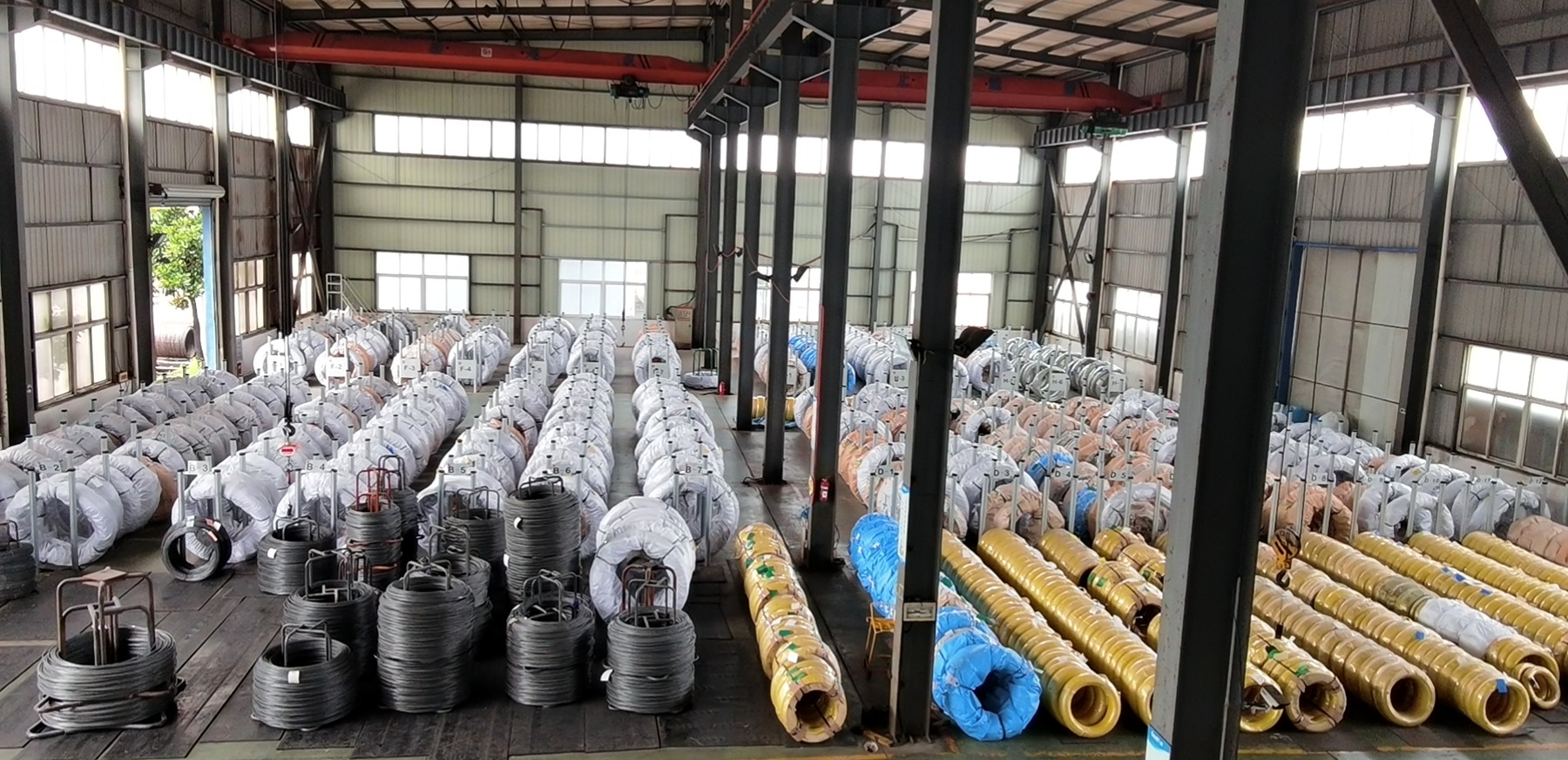
[Figure 1: Panoramic View of Bulk Wire]
*Caption: From small-batch trials to continuous use across multiple coils, material validation must cover a more representative supply range.*
II. Same Grade and Diameter Doesn't Mean Identical Material State
When ordering materials, customers usually specify the grade and diameter first. While these two factors are certainly important, they don't fully describe the material's condition.
Even with identical grade and diameter, differences in prior spheroidizing annealing, wire drawing, and surface treatments can lead to variations in final microstructure, strength, and lubrication properties.
To put it plainly: The grade tells you "what kind of steel it is," while the processing history reveals "what condition it's currently in."
Thus, when comparing sample and production materials, we need to consider not only the information on the label but also the verified supply status and processing route.
Samples may employ special procedures, but these methods should be applicable to subsequent supplies as well. If samples are specially selected or individually treated, and regular production fails to maintain those conditions, then the two cannot be equated without further consideration.
What customers should confirm is a sustainable material solution, not merely a few attractive samples.
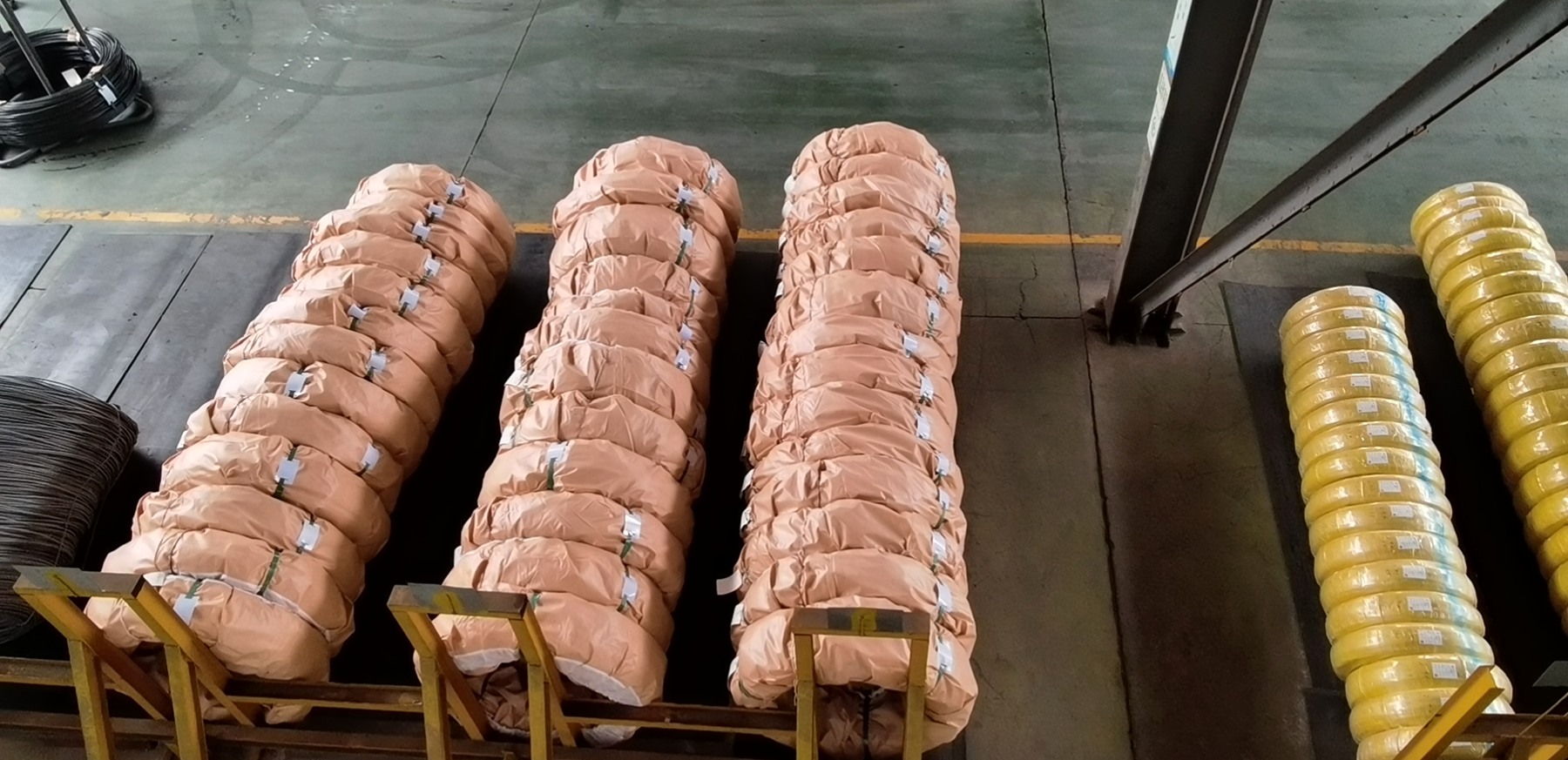
[Figure 2: Packaged Wire with Batch Identification]
*Caption: Batch and coil markings ensure traceability between physical materials, production records, and inspection results.*
III. Successfully Making a Few Pieces Is Different from Sustained Long-Term Production
Trial runs are typically short-term, whereas mass production demands continuous operation.
During production, die temperature, friction, and lubrication conditions can fluctuate, altering the actual working environment of the material. Issues that remain hidden during brief trials may gradually emerge under prolonged production conditions.
This does not mean "materials inevitably degrade with extended use," nor should any late-stage anomalies automatically be attributed to equipment problems.
What truly helps is keeping separate records along two distinct lines:
- By Time: Does the issue arise immediately upon startup, or only after some continuous production?
- By Material: Is the problem concentrated in a specific coil or section, or does it occur across multiple coils?
"Burring starts after half an hour" versus "burring appears after switching to a particular coil"—both sound like burring, but the troubleshooting paths may differ significantly.
Clearly documenting "when, which coil, and where" prevents guesswork during investigations.
IV. Don't Just Keep Qualified Samples—Preserve the Successful Recipe Too
A box full of beautifully formed samples is very convincing. But if problems arise months later and all that remains is this box, people will likely start reminiscing collectively: "Didn't we do something differently back then?"
Therefore, during trials, keep not only the physical samples but also detailed records. At a minimum, document three key aspects:
- Which Material?: Grade, specifications, batch number, coil number, and supply condition.
- How Was It Made?: Corresponding product, forming process, and critical production parameters.
- Process Performance: Number of pieces inspected, number of defects found, timing of occurrence, and location of failure.
For example, even if both cases involve "two cracked parts," inspecting twenty pieces versus twenty thousand conveys entirely different insights. Whether the defect is localized or widespread across multiple coils also requires clear differentiation.
As for how many samples to test, how long to run continuously, and how many batches to cover, these decisions should be jointly determined by both parties based on product requirements and risks—there's no universal formula.
Keep samples so the physical items are traceable; keep records so the process is clearly documented.
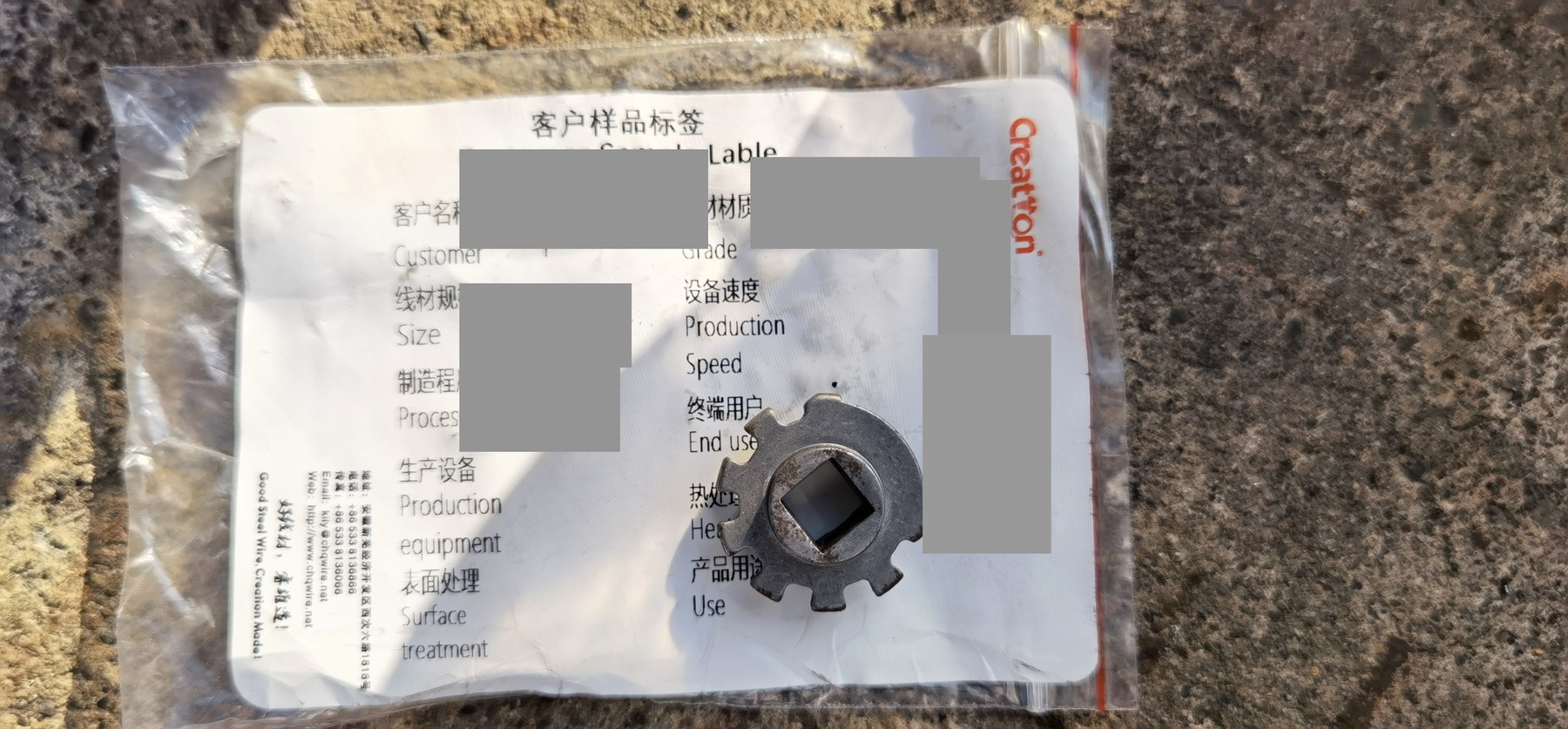
[Figure 3: Sample Labels and Physical Specimens After Anonymization]
*Caption: Actual photos of retained samples and their labels. Public images have been anonymized; internal records should retain complete corresponding information.*
V. When Problems Arise, Avoid Changing All Conditions Simultaneously
It's natural to rush to restore production on-site. Replacing materials, adjusting speeds, modifying dies, or increasing lubrication—sometimes several measures are implemented together until production returns to normal.
But then another question arises: Which specific change actually solved the problem?
Without proper documentation, the next time a similar situation occurs, you'll have to repeat the entire sequence of actions again.
While ensuring quality and safety, try to design controlled comparisons around primary suspects and meticulously record necessary adjustments. Even in emergencies requiring simultaneous changes to multiple factors, document each alteration for later verification.
The same principle applies to material inspections. If performance fluctuations are suspected, check the relevant material properties; if localized cracks are found, preserve the corresponding wire and workpieces, analyzing them alongside the exact failure locations.
Testing isn't about piling up more items to appear professional; instead, each test should answer a specific question.
VI. What Material Suppliers Should Deliver Are Replicable Success Conditions
Passing the sample test is just the beginning of the material supplier's responsibilities.
Next, the effective material states identified during trials must be incorporated into formal supply requirements: which properties need control, how to confirm surface conditions, how inspection results map onto batches, and how to communicate significant changes.
At Creation Group, we focus on linking customer product requirements, material preparation, and usage feedback: jointly defining requirements during trials, maintaining confirmed conditions in supply, and verifying deviations with corresponding samples and records.
Customers naturally hope to hear "this batch has passed inspection"; even more importantly, they want to experience material delivered subsequently that continues to meet production needs.
A Word from the Engineer
Passing the sample test is cause for celebration; achieving stable mass production means repeating that success.
What truly needs to be sustained is not simply the statement "it worked last time," but rather the underlying material condition, processing parameters, and verification records.
A well-executed sample is a great start; sustained success in subsequent supplies is the true hallmark of material service.
Creation Group | We Care About Every Batch of Materials—and Their Performance After They Reach the Customer Site.